
At Bayshire Rancho Mirage, we recognize anxiety as one of the most common emotional concerns a senior with dementia faces. Although it may seem manageable at first, it can often lead to distressing situations requiring emergency medical attention.
Anxiety in seniors is recognized as a deeply distressing emotional response that can stem from various reasons. The most common causes are cognitive decline, loss of independence, and sometimes chronic health concerns. To manage it and other symptoms related to cognitive decline, memory care is considered the best option. Specialized memory care programs play an important role in reducing stress through structured routines, sensory-calming techniques, and gentle, validating communication.
If left untreated, anxiety can cause self-destructive behavior that can be life-threatening. To guide families in understanding the complex nature of this behavioral and mental health disorder in their loved one, here’s a brief guide on anxiety. We’ll also look at how specialized memory care can help individuals with anxiety live safely.
Why Does Anxiety Occur In Seniors?
While anyone can feel anxious, the prevalence of anxiety is higher in older adults. Family caregivers may struggle to understand the nuances of this behavioral disorder when they see their loved one show signs of visible anxiety. Their loved one may become easily agitated, feel a loss of control, or find their surroundings overwhelming for no apparent reason. Families should understand that this anxious behavior is the result of an unmet need, a past trauma, or an unsuitable environment. In addition, here are details on the main causes of anxiety:
Cognitive Confusion
As a result of cognitive decline, a person can often feel overwhelmed by their surroundings. They may lose track of time and place, preventing them from recognizing their surroundings. This may also stem from their inability to recall familiar names or conversations, which can trigger intense fear. Think of a scenario where a person with memory loss walks into a room and forgets how they arrived there. This is what a person with progressing memory loss may experience during the day.
Physical Discomfort
Anxiety can also manifest as physical signs of distress and agitation. This can be a result of untreated pain, side effects from medications, or exhaustion due to managing one’s own care needs. In addition, hunger and fatigue are other factors that can’t be communicated in words and might be expressed as signs of anxiety. A person may show signs of anxiety through trembling, sweating, rapid heartbeat, headaches, or nausea.
Communication Challenges
Another possible cause of anxious behavior is a senior losing the ability to articulate their physical needs or emotions. This happens when the senior loses the ability to express unmet needs such as hunger, cold, or fear. This buildup of stress causes the senior to feel anxious.
Social Isolation
Also referred to as social anxiety disorder, social isolation can have many causes. A senior might have lost a loved one or might have begun experiencing loneliness, loss of hearing, or reduced mobility. As a result, they may develop a social phobia. Whenever they go out in a social setting, they might begin showing signs of anxiety, such as trembling, nausea, difficulty talking, blushing, or heavy sweating.
How Can Memory Care Help Seniors With Anxiety?
Memory care communities specialize in managing various complex disorders that individuals with dementia typically face. These communities understand how serious anxiety can become if left untreated. Untreated anxiety increases the risk of heart disease and stroke and also lowers the quality of life. Simply put, it takes a serious toll on both the physical and mental health of a senior, affecting their overall well-being and increasing the need for specialized support from a memory care community. Here’s how a memory care community can help alleviate anxiety and manage related issues.
Predictable Routines
Severe anxiety can affect a senior’s ability to manage routines. It often leaves them unsure which step to take next toward a healthy routine. To address this, memory care offers them a structured routine that eventually gives them a sense of security. Having reliable daily rhythms for meals, activities, and rest reduces fear of the unknown.
Sensory Calming Environment
When words do not provide enough comfort, nonverbal tools can be effective. Measures such as gentle lighting, aromatherapy, and familiar music can soothe an anxious nervous system and help residents feel comfortable.
Validation Therapy
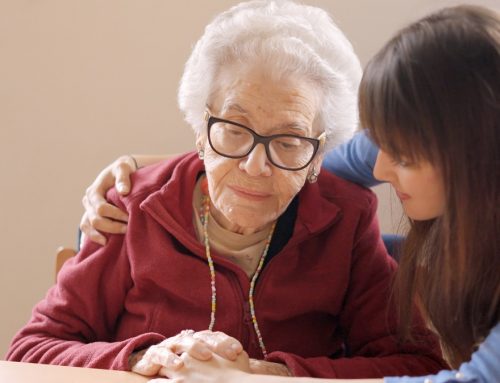
In moments of distress, a reassuring gesture can make a meaningful difference for the emotional health of an individual with dementia. This is what caregivers help seniors with: validating the senior’s emotions, even if the underlying reasoning may not be accurate. The goal is to build trust and connection rather than to correct their beliefs.
Meaningful Engagement
The trained staff helps residents with simple, low-pressure tasks, like folding washcloths or looking at family photos. These simple yet engaging activities help spark positive memories and give them a sense of continuity and purpose.
Bayshire Rancho Mirage – A Reputable Memory Care Community
At Bayshire Rancho Mirage, we understand that there are multiple causes of anxiety in seniors. While families can help, professional care is usually the better option. This is what we provide at Bayshire Rancho Mirage.
As a reliable memory care provider, we offer person-centered care programs that foster overall well-being. Using various non pharmacological methods, we manage all complex behavioral issues in residents, including anxiety, agitation, and more. Our care programs aim to balance quality care with independence and dignity, helping residents maintain a good quality of life without losing their sense of self.
With highly trained and specialized memory care staff and thoughtfully designed spaces, we encourage residents to live well and thrive. To learn more about our premier memory care community, you can schedule a tour.